
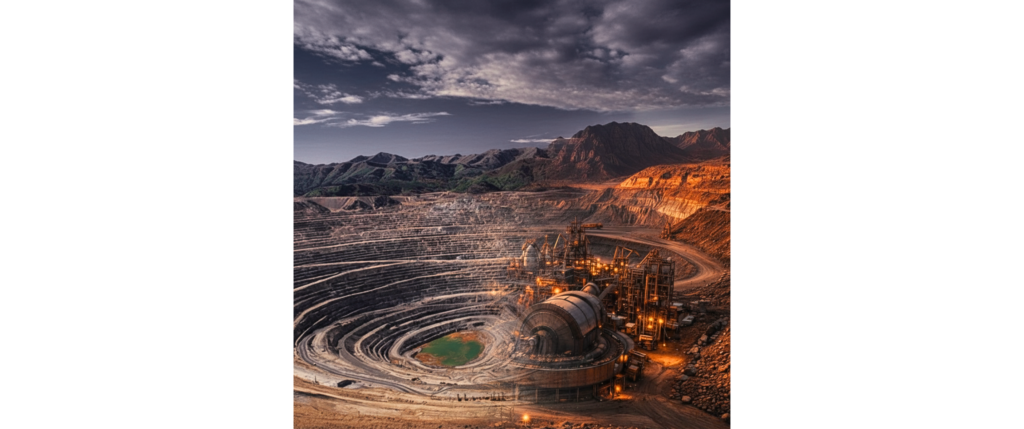
PPL Injects Additional Rs14 Billion into Reko Diq Copper-Gold Project
Pakistan Petroleum Limited (PPL) has injected an additional Rs14 billion ($50.2 million) equity into the multi-billion-dollar Reko Diq copper-gold project, according to its latest financial report. The move comes as the project’s Canadian operator, Barrick Mining Corporation, conducts a comprehensive review following the tragic attacks in Balochistan earlier this year.
Barrick holds a 50 percent stake in Reko Diq, while three Pakistani state-owned enterprises, including PPL, collectively own 25 percent. The Balochistan government holds the remaining 25 percent. The review by Barrick was initiated after coordinated attacks on January 30-31 that resulted in the loss of 36 civilians and 22 security personnel.
In its half-year financial statement ending December 31, PPL confirmed that the additional investment in Pakistan Minerals Private Limited (PMPL) increased its total equity contribution to Rs68.1 billion ($243.6 million). PMPL, a special purpose vehicle, manages the federal government’s 25 percent stake in Reko Diq and coordinates financing, equity contributions, and strategic, legal, and technical dealings with partners such as Barrick.
PPL stated that site development work continued between July and December FY26, while Barrick reviews all aspects of the project, including security measures, development schedules, and capital budgets. Balochistan Chief Minister Sarfraz Bugti reaffirmed this week that Pakistan has the capacity to secure and manage the project despite regional security challenges.
Beyond Reko Diq, PPL continues its exploration and production activities, holding a portfolio of 47 exploratory blocks, including offshore Block-5 in Abu Dhabi and an onshore block in Yemen. In December, PPL assigned a 25 percent participating interest and operatorship of the Eastern Offshore Indus C block to Turkish Petroleum Overseas Company, while allocating 20 percent each to OGDCL and Mari Energies Limited, retaining 35 percent to maintain a key role in the block’s development.




Leave a Comment